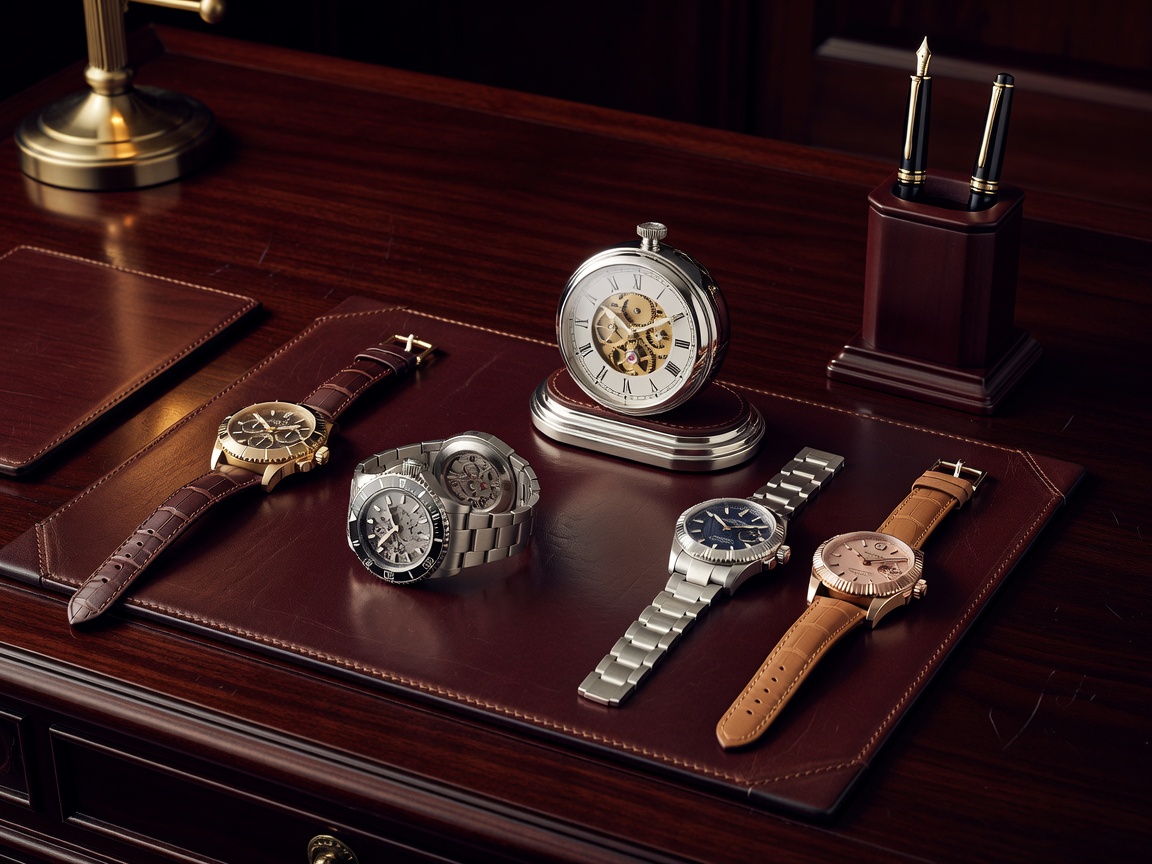
For the past decade, consumer electronics drifted toward an identity crisis: flat plastic rectangles, hidden buttons, and fragile touchscreens that stripped computing of its weight and authority. In 2026, the pendulum has swung violently back toward heavy engineering.
High-net-worth founders and tech leaders are rejecting disposable plastic gadgets. Instead, they demand workspace objects that combine deep software intelligence with heavy metals, mechanical switches, polished chrome accents, and timeless physical weight.
"When an object possesses mass, precision machining, and tactical feedback, interaction becomes deliberate. Tactile computing restores intention to work."
1. The Rise of Tactical Workspace Engineering
In executive setups across Tokyo, Singapore, and London, lightweight laptops are giving way to solid aluminum desk hubs, mechanical rotary dials for audio attenuation, and custom-milled macro pads dedicated to triggering local AI agent scripts.
This resurgence is not purely aesthetic; it is cognitive. Mechanical resistance provides instant feedback to human touch, reinforcing state changes when executing multi-million dollar asset transfers or locking down server protocols.
2. The Materials of Power: Titanium, Obsidian & Gold
Modern luxury hardware design relies on materials that age with dignity:
• Grade-5 Aerospace Titanium: Offers unyielding structural rigidity without adding dead weight to wearable sensors.
• Precision Anodized Aluminum: Keeps high-power local LLM mini servers cool while acting as a heat sink.
• Obsidian Glass & Gold Accents: Eliminates cheap reflections while creating visual warmth in executive offices.
3. Summary Checklist for Executive Workspace Design
Ensure your physical desk reflects your intellectual rigor: replace plastic cable routing with milled aluminum raceways, standardize peripheral materials, and ground your digital workflow with physical feedback loops.